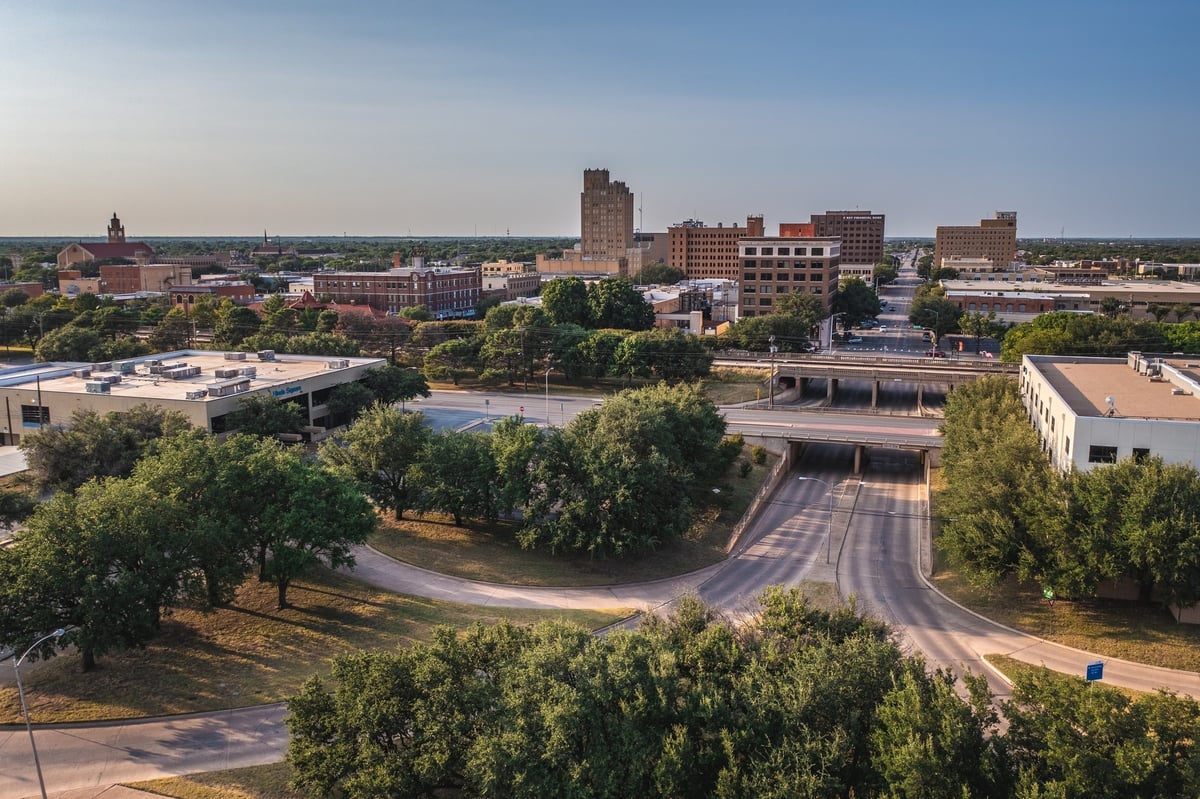
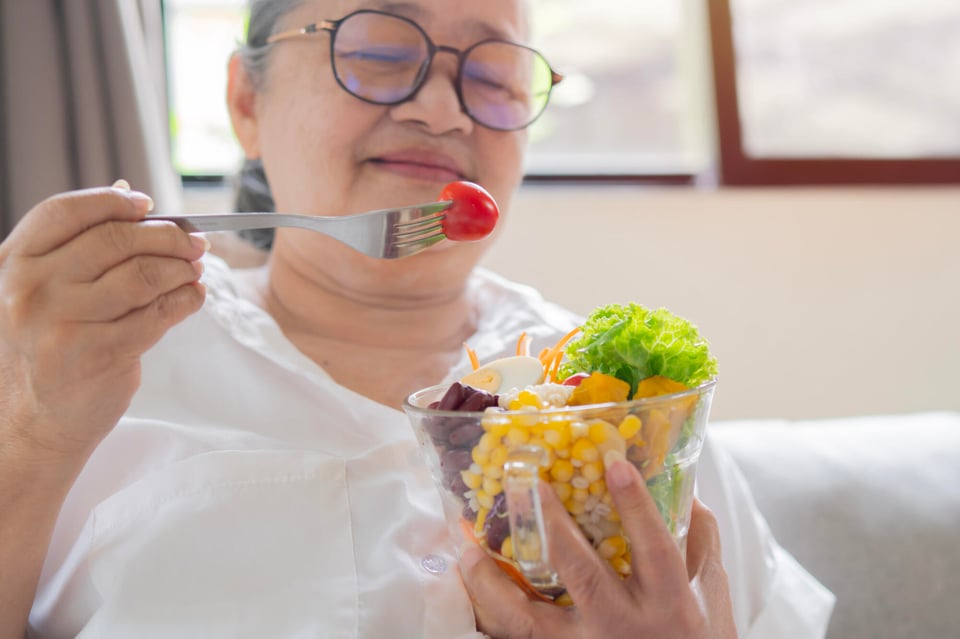
If you're concerned about missed meals, unpaid bills, and other worrying signs your loved one is not coping alone, Morada Abilene means choosing peace of mind. At our senior assisted living community, we support healthy eating habits in aging, rewarding socialization, and a life built around warmth and connection -- all this against the backdrop of Abilene, which is the "Official Storybook Capital of Texas" and home to excellent medical services that provide reassurance for seniors.
Nearly 13 million seniors -- or 1 in 8 of the older adult population -- worry about where their next meal is coming from. The aging process can make grocery shopping, preparing meals, and even eating alone too great a challenge for many people.
Life at Morada Abilene lets your loved one embrace emotional health and nutrition that keeps them vibrant and strong in their golden years.
Is It Normal for the Elderly to Not Want to Eat?
Aging habits in aging are indeed different from when we're young. While it is common for seniors to experience challenges related to eating, it is not normal and should not be ignored. A pattern of missed meals or cooking difficulties while aging in place could quietly signal that daily life has become too much, according to the National Institute on Aging.
Assisted Living Dining Support
At Morada Abilene, we support healthy eating habits in aging in two main ways.
First, all our residents have access to three delicious meals a day, plus snacks, at our restaurant-style dining room. Don't worry that having food prepared by professionals means hoity-toity fare. We specialize in tasty, down-home dining, full of comforting favorites and local specialties.
Next, we provide support at mealtimes. We understand that for some seniors, conditions like arthritis can make it hard to eat a meal. Our compassionate care team is ready to provide the support you need so you can fully enjoy your meals.
How Does Age Affect Eating Habits?
Eating habits in aging don't change overnight. However, physical limitations, changes at home, and our aging bodies can make the experience of eating different from what it once was.
Empty Nests and Empty Tummies
For example, when you had a full house, finding the motivation to cook a tasty meal that was enjoyed as a family may have been relatively easy. However, if there are now just two of you at home, or if you are on your own, it may be hard to feel inclined to cook just for yourself.
Physical Changes Affect Appetite
Additionally, the way we taste food changes as we get older. The National Institute on Aging notes that our senses of taste and smell change in our golden years, which can cause us to develop a different relationship with food.
These changes can lead to appetite loss in seniors, and this is worrying. A study cited by Harvard Health found that about 25% of US seniors are at risk of malnutrition. This can lead to a range of physical and mental health challenges.
How Can Seniors Get Their Appetite Back?
Once medical reasons for a loss of appetite have been ruled out, the assisted living dining support offered at Morada Abilene could make the difference. The following routines and strategies can help seniors rediscover their love of food:
- Regular, structured meal schedule
- Encouraging hydration
- Delightfully presented meals
- Portions that do not overwhelm
- Lots of choice
Another way we help seniors maintain healthy eating habits in aging is by keeping them moving. Our activity calendar is packed with fitness sessions that do more than improve strength and cardio fitness. They also stimulate the appetite and help residents look forward to mealtimes.
Frequently Asked Questions
How Can I Talk to a Parent About Missed Meals Without Starting an Argument?
It's important to choose a moment when your parent is relaxed, and then frame your words as a concern, not a criticism.
Instead of saying things like, "You never eat properly," try a gentle approach. You could say, "I noticed there's not much food in the fridge right now. Are you doing OK?"
When they answer, really listen, and do not jump to conclusions. Remember, this is about getting them on side and eating well again.
Talk about what practical things would help them prepare food and what they want mealtimes to feel like again. If they express that cooking is simply too much and they miss having company at mealtimes, you may be able to gently introduce the idea of assisted living.
Can Families Still Be Involved in Mealtimes After a Move?
Absolutely. Assisted living does not mean giving up shared meals. In fact, it often makes them easier.
Instead of worrying whether there is enough food in the house or if the oven has been left on, families can simply enjoy time together. Talk to our team about how to join mealtimes. They can be a great chance to meet your loved one's new friends and become part of their life at Morada Abilene.
What Should I Look for When Comparing Communities?
If you're worried about your loved one's nutrition and appetite, take time to research the dining arrangements at the assisted living community. Not all take the personalized approach that Morada Abilene does, providing assisted living dining support and tasty, homey meals that truly satisfy.
When you come for a tour, bring your loved one and book yourselves in for a meal. That will give you a "taste" of what our community is all about.
Make Missed Meals a Thing of the Past at Morada Abilene
Missed meals and poor nutrition could mean your loved one needs more than help with the groceries. They need the assisted living dining support of Morada Abilene.
We excel in making mealtimes an enjoyable experience for all our residents. Our kitchen team prides itself on producing the food older Texans really love to eat.
By tantalizing taste buds and creating a joyful atmosphere with discreet support as needed, we do everything we can so that our residents look forward to every restaurant-style meal in our private dining room.
Schedule a tour and learn more about our community.