
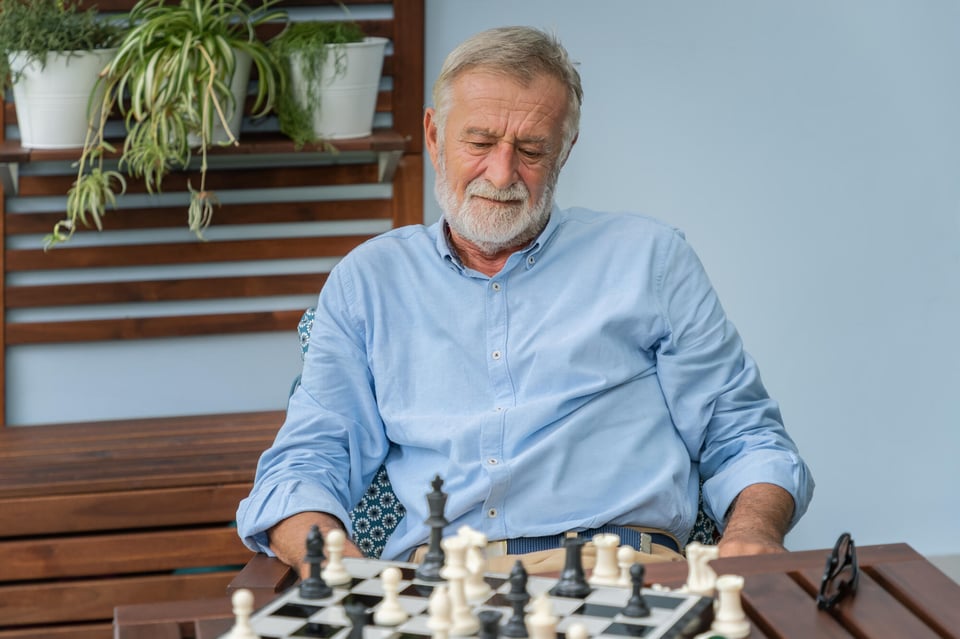
One of the best brain exercises for seniors is active recall practice. Other ways to support cognitive health are to learn a new skill or hobby, play strategy-based games, practice mindfulness or meditation, and join social and group activities.
Stanford Medicine says that our brain's peak performance happens in our mid-20s. If you're an older adult in Abilene, TX, then you may be concerned; surely that means it's only downhill afterward?
The good news is that the decline is gradual, and if you're aging well, the effects should be minimal and subtle. While you can't fight aging, there are certainly proactive steps you can take to give your mind the best fighting chance possible.
Here are the best brain exercises for seniors you can do to keep yourself mentally sharp.
What Is the Number One Brain Exercise for Memory Improvement?
The number one brain exercise for memory improvement is active recall practice, especially when you use "remember without looking" techniques. This is much more effective than passive review, as it trains the brain to work harder. As a result, this improves long-term retention and mental sharpness.
For example, let's say you want to remember what's on your grocery list. Instead of rereading it, challenge yourself to retrieve the items from your memory. Then, check your accuracy.
Do this activity daily for ten to 15 minutes to get consistent benefits.
What Are Good Brain Activities for Seniors?
Active recall practice is excellent for cognitive support. But that's not the only thing you can do for senior brain health.
Below are some fun ways to keep your mind sharp!
Learn a New Skill or Hobby
One of the best ways to stimulate an aging brain is to learn something completely new. This forms fresh neural connections, and it also releases feel-good chemicals when you enjoy the process and the resulting achievements.
Activities you can try include:
- Painting
- Knitting
- Photography
- Gardening
- Learning a new language
Your brain has to focus, process information, and remember steps, so this strengthens attention and memory. In addition, hobbies bring a sense of purpose and enjoyment, and this can support your emotional well-being and reduce stress.
You should start small with 15-30 minutes a few times a week. The key is to have gentle challenges instead of frustration.
Play Strategy-Based Games
Aging and focus have an inverse relationship; as the years have gone by, you may have noticed your focus slipping. Fortunately, a fun way of getting your focus back is to play strategy-based games.
The following require planning, problem-solving, and concentration:
- Chess
- Checkers
- Scrabble
- Sudoku
- Card games
- Board games
- Memory games
These are great because they combine mental stimulation with laughter and connection. Plus, since you're playing games, exercising your mind won't feel tedious, and it'll be easier to stay consistent long term.
Practice Mindfulness or Meditation
Mindfulness and meditation are effective stress relievers, but they can also help with focus and cognitive health. This is because they teach you to focus on the present moment, which then improves attention and reduces mental clutter.
The beauty is that just doing these practices for five to ten minutes daily can provide you with benefits such as:
- Better mental clarity
- Improved sleep quality
- Better moods
When you sit down, calm yourself, and find a sense of peace, this can help you feel more relaxed and joyful throughout the day. You'll find it easier to recall things since your brain isn't overwhelmed by stress.
Join Social and Group Activities
The best type of enrichment for older adults is regular social interaction. If you break down conversations, you'll see that it consists of these key parts:
- Listening to others
- Remembering details
- Responding thoughtfully
- Staying mentally alert
This can lead to slower cognitive decline. Also, when you do activities like book clubs, walking groups, volunteer work, or community classes, you'll have improved overall happiness as well. Meaningful connections can keep your brain stimulated while adding joy and purpose to your life.
Frequently Asked Questions
What Are the Three Superfoods for Your Brain?
The three superfoods for your brain are worth eating since they can support sharper thinking, better recall, and long-term brain health. They are:
- Fatty fish: Salmon, sardines, and trout are rich in omega-3 fatty acids, which help maintain brain cell structure, reduce inflammation, and support memory and mood.
- Leafy greens: Spinach, kale, and Swiss chard have folate, vitamin K, and antioxidants that may slow cognitive decline and protect against age-related memory loss.
- Berries: Blueberries and strawberries are rich in flavonoids, which improve communication between brain cells and may delay brain aging.
What Is the 2-7-30 Rule for Memory?
The 2-7-30 rule for memory is a simple and low-stress technique to boost retention, which can help your brain store information long term.
When you learn something new, you do the following:
- Review it two days later
- Review it again seven days later
- Review it again 30 days later
This is the optimal timing to strengthen neural connections and prevent forgetting. Each review should only take a few minutes, too, so it's not hard to practice.
How to Get Rid of Brain Fog?
Brain fog can come from a number of things, but with a few lifestyle adjustments, it's possible to feel better. Here are our top tips to clear your head:
- Get seven to nine hours of quality sleep nightly
- Stay hydrated
- Get regular physical activity
- Eat balanced meals
- Manage your stress
- Review medications with your doctor
- Keep your mind active
Do the Best Brain Exercises for Seniors
If you add the best brain exercises for seniors to your regular routine, then you'll see a noticeable difference, especially if you're consistently doing them. Not only can this keep boredom away, but it can also strengthen your cognitive health.
And if you're in a senior living environment, you'll enjoy further benefits. There are other older adults to socialize with, as well as amenities, activities, and events to take advantage of. With all these things, you'll stay mentally active and engaged so that you'll have good memory and clarity for as long as possible.
At Morada Abilene, we have monthly cooking classes, live music, and entertainment to support our residents in lifelong learning. Contact us today to request more information about senior living in Abilene, TX.